Things to Do in Nicaragua in February
February weather, activities, events & insider tips
Shoulder Season · Good Value
February Weather in Nicaragua
Long-run averages for February in Managua
89°F (32°C)
High Temp
69°F (20°C)
Low Temp
0.2 inches (5 mm)
Rainfall
60%
Humidity
12
Sunny-Day UV
⚠ Extremely high UV index requires diligent sun protection.
Is February Right for You?
Weigh the advantages and considerations before booking
Advantages
- + Dry season clarity turns the Pacific coast into a postcard. The water flashes a startling, clear turquoise. Offshore breezes carry salt and coconut palms. Worth it.
- + Volcano hiking is near-perfect now. Trails up Mombacho or Concepción stay dry and grippy. Views from the craters roll for miles without morning haze or afternoon downpours.
- + Nicaragua's colonial cities shine in February. Granada and León beg to be walked. Cobblestones are dry. Evening air cools. Jasmine from courtyards mixes with woodsmoke from vendors.
- + Peak season for wildlife. Islets of Granada crackle with sound. Dry air amplifies parrot squawks and howler monkeys. Boat tours rarely cancel.
Considerations
- − That 'variable' forecast can sting. A week of cloudless sun pushes the feels-like temperature above the official high. Then dusty winds roar off the plains. Beach days suffer.
- − Crowds stay moderate overall. Yet President's Day week spikes. Expect a busload or two at the Masaya Volcano lookout. Share that sunset.
- − Tail end for windsurfing. By late February, Papagayo winds taper. Swimmers rejoice. Adrenaline chasers lose lift.
Best Activities in February
Top things to do during your visit
Nicaragua in February delivers deep, reliable sunshine and landscapes caught in the dry season's sharpest light. The air feels warm and clear, with average highs reaching 32 degrees Celsius, while evenings bring a comfortable coolness that settles around 20 degrees. This is the heart of the dry season, a period where the land receives a scant five millimeters of rain, making travel between the colonial cities, volcanic highlands, and Pacific coast notably straightforward. Locals take advantage of these dependable conditions for outdoor work and weekend excursions, and the reliable weather allows visitors to structure days around exploration from morning until the stars appear over the volcanic silhouettes. Compared to the humid, rain-intense months that begin in May, February in Nicaragua feels expansive and open, good for the kind of spontaneous detours that define a memorable journey. The following experiences, from guided tours to independent landmarks, show the distinct character of Nicaragua. Each activity is framed by the practical realities of visiting during this specific month, with its predictable climate and lack of major festival interruptions, allowing focus to remain on the sensory details, the scent of volcanic sulfur, the sound of water lapping against island shores, the feel of ancient cobblestones underfoot.

Best of Granada, Mirador de Catarina and Masaya Volcano Tour
guided_experienceThis guided tour condenses the dramatic contrasts of western Nicaragua into a single day, moving from the elegant, pastel-colored streets of Granada to the panoramic views from Mirador de Catarina and finally to the active crater of Masaya Volcano. You will see the orderly grid of a colonial city give way to the sapphire expanse of the Apoyo Lagoon from the mirador, before standing above a crater that emits a constant, low roar and the sharp, mineral scent of volcanic gases.
It delivers a complete introduction to the region's layered history and raw geological power in one easy, expertly narrated journey.
Insider tip: Carry a light jacket for the evening ascent to Masaya Volcano, as temperatures can drop noticeably and the crater's winds can be brisk.
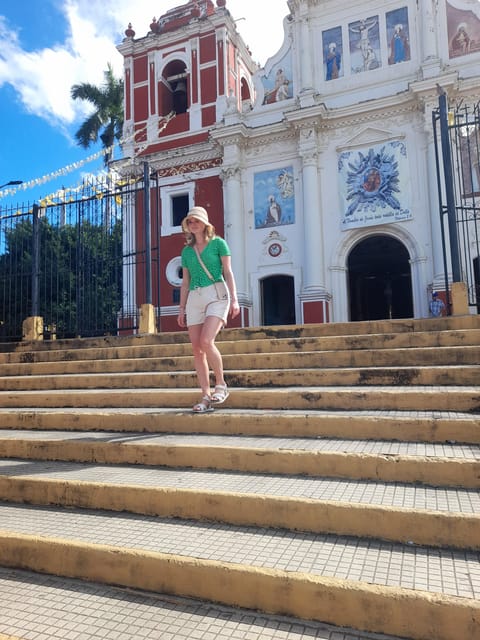
Leon city: Walking tour by our landmarks
walking_tourThis walking tour through León navigates the city's historic core, where the massive, whitewashed walls of the UNESCO-listed Cathedral provide a stark contrast to the revolutionary murals splashed across nearby buildings. You will feel the heat of the sun radiating from the cobblestone streets, hear the echoes of footsteps in quiet colonial courtyards, and touch the cool, worn wooden pews inside centuries-old churches.
It offers an unfiltered, ground-level perspective on a city that is both a museum of Spanish colonialism and a living canvas of Nicaraguan political identity.
Insider tip: Wear sturdy, comfortable shoes for navigating the uneven stone streets and the cathedral's rooftop, which offers outstanding city views.

From Managua: León, Sandboarding Cerro Negro + Cathedral UNESCO
culturalThis full-day excursion from Managua combines cultural heritage with intense physical adventure, starting with the architectural and historical sites of León before venturing to the stark slopes of Cerro Negro for sandboarding. You will see the black volcanic ash of the young cone, feel the grit of pumice under your boots, and experience the adrenaline rush of descending the ashy face on a board.
It uniquely pairs the profound history of León with the sheer, exhilarating thrill of boarding down an active volcano.
Insider tip: Ensure your tour provides protective goggles and a board. The volcanic sand is incredibly fine and gets everywhere.

2 full days tour Granada + Lava+Leon area
day_tripThis two-day tour is an immersive dive into the core of Nicaragua's most visited region, encompassing the colonial charm of Granada, the nocturnal spectacle of Masaya Volcano's lava field, and the dynamic energy of León. You will taste the tangy vigor of a vigorón from a Granada market stall, hear the howler monkeys in the Granada islets, and see the eerie glow of molten rock within Masaya's crater after dark.
It provides a complete and efficient overview for travelers with limited time who wish to experience the essential highlights of western Nicaragua.

Masaya Volcano Night Tour!!!
guided_experienceThe Masaya Volcano Night Tour focuses on a single, powerful phenomenon: witnessing the active Santiago crater's incandescent lava field under the cloak of darkness. The experience is defined by the sight of a reddish glow illuminating plumes of steam, the constant, subterranean rumbling that you feel in your chest, and the potent, acrid smell of sulfur dioxide that hangs in the cool night air.
The volcano's fiery activity is visually most dramatic after sunset, transforming the visit into a profound encounter with the planet's interior forces.
Insider tip: The crater's gases are strong. Those with respiratory sensitivities should consider this before booking and may wish to bring a bandana.

Granada Islets Boat Tour (The best in town)
cruiseThe Granada Islets Boat Tour navigates the archipelago of small islands formed by a prehistoric volcanic eruption in Lake Nicaragua. You will glide past islands draped in tropical foliage, hear the distinctive calls of ospreys and howler monkeys, feel the cool spray of lake water, and see waterfront homes and quiet wildlife refuges from the unique vantage point of a boat.
It has a peaceful, natural counterpoint to the urban exploration of Granada, revealing a lush, aquatic landscape teeming with birdlife just minutes from the city.
Insider tip: Opt for a late afternoon tour when the light softens, temperatures are more comfortable, and bird activity often increases.
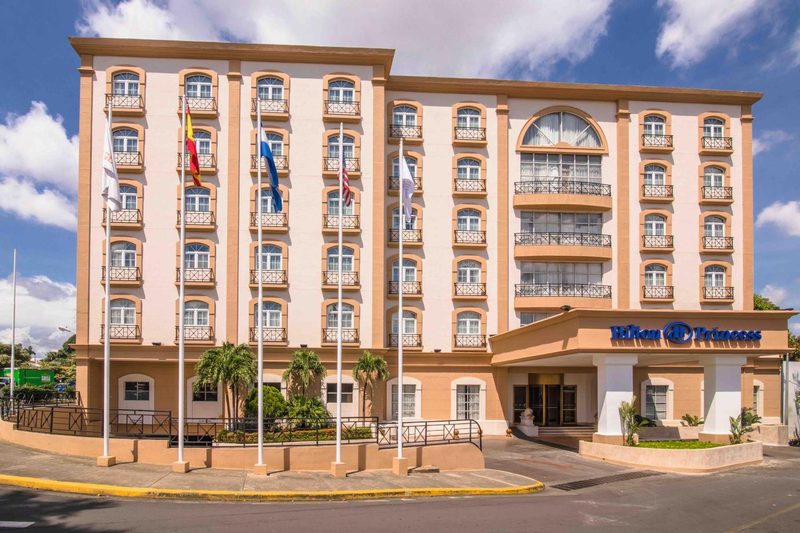
Where to Stay in Nicaragua in February
Hand-picked hotels across price tiers for February travellers.
Public Holidays in February
Dates that affect opening hours, transport and crowds
Air Force Day
Observed nationwide as a public holiday.
Air Force Day
Observed nationwide as a public holiday.
Packing Checklist
Bookmark this page — your progress is saved between visits
Need the full list with shopping links?
Climate-specific gear, brand recommendations, and what to leave at home.
View Nicaragua Packing List →Essential Tips
Insider knowledge and common pitfalls to avoid
Insider Knowledge
The best Nacatamal (Nicaragua's well-known tamale) is not in restaurants. Track the aroma of masa and banana leaves to a señora's front door or a market stall early on a weekend morning.
If San Juan del Sur beach feels crowded, head north or south. Maderas or Hermosa stay quiet and cost only a short, cheap taxi or shuttle ride.
When visiting Masaya Volcano, hit the nearby Masaya market for handicrafts, then climb upstairs to the food court. Order vigorón (yucca, pork rinds, cabbage salad) and watch the world move.
In Granada, dodge the packed main square cafes for sunset drinks. Walk one block to a rooftop bar or a hushed courtyard hotel bar. Prices drop and colonial calm rules.
Avoid These Mistakes
Underestimating the sun and heat. Launching a hike at 11 AM without a hat and two liters of water wrecks the day. Schedule for dawn or dusk.
Packing only shorts and tank tops. Nights in the Central Highlands turn cool, and churches plus nicer restaurants enforce modest dress codes.
Trying to cram in too many regions. Nicaragua's improving roads still eat time. Choose a base like Granada or León and dig deep instead of riding buses.
Forgetting that 'dry season' still demands water. Carry small cordoba notes for bottled water or refills. Public fountains barely exist.
Ready to plan your trip to Nicaragua?
Now that you've got the research covered, here's where to go next.
Explore More Activities in Nicaragua
Didn't see anything interesting yet?
Browse Viator's full catalog of tours, day trips, food experiences, and private guides in Nicaragua.
See All Nicaragua Tours on Viator